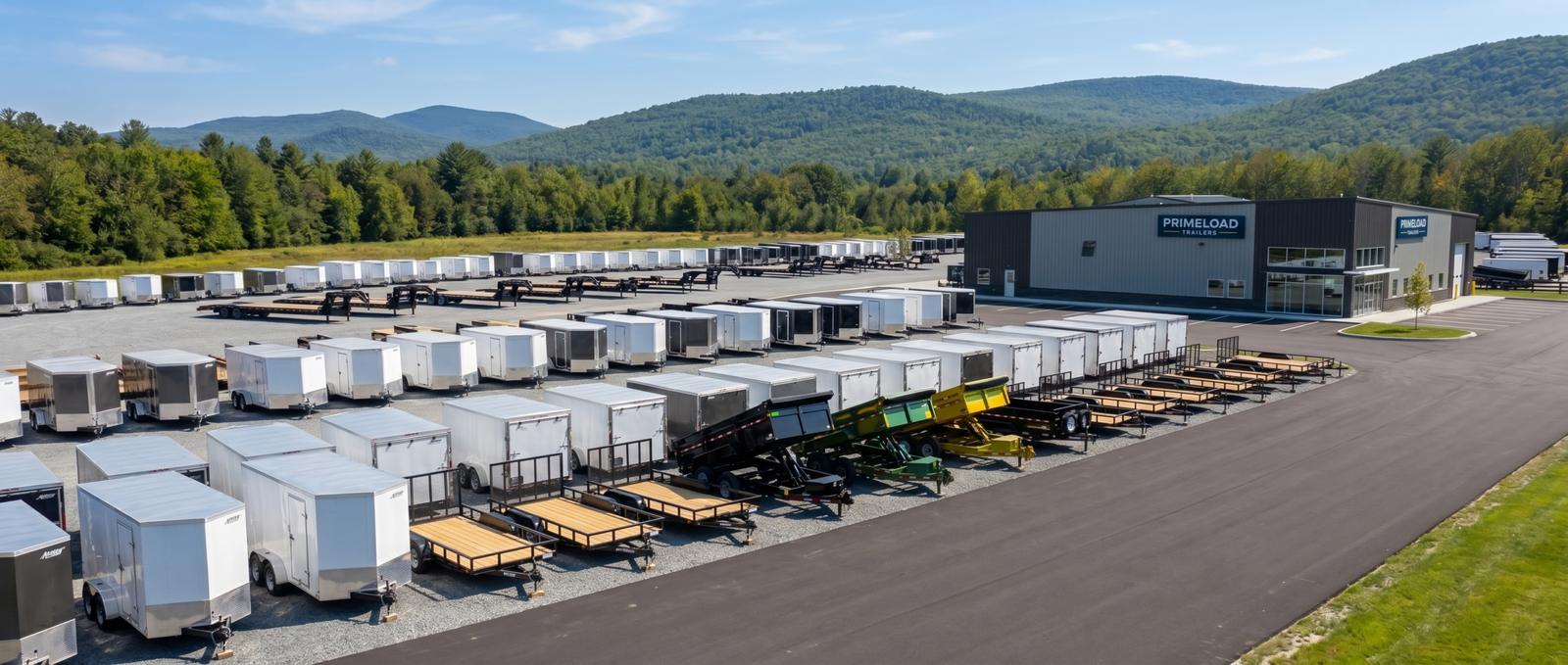
11 trailer categories. 580+ in stock. independent dealer with 15 years of experience and free nationwide delivery to all 50 states.
Skid steer trailers, mini-excavator haulers, contractor-grade equipment trailers. 69 in active inventory. Free shipping to all 50 US states.
Equipment trailers are the workhorses contractors rely on, built to haul skid steers, mini-excavators, compact track loaders, scissor lifts, light tractors, and the heavy iron that bigger utility trailers can't legally or safely move. The category is defined by GVWR (typically 10,000-16,000 lbs and up), reinforced frame construction, ramp configuration that handles tracked equipment, and tie-down points spec'd for loads that don't forgive a careless strap.
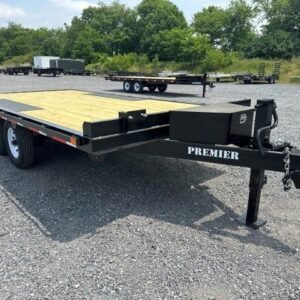
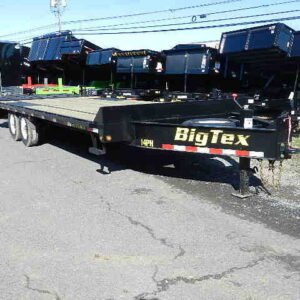
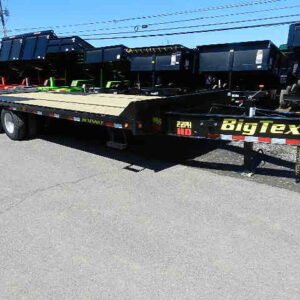
PrimeLoad carries 69 equipment trailers in active inventory from BWise (Pennsylvania heavy-duty), Cam Superline (Pennsylvania commercial-grade), and Big Tex (Texas, distributed nationwide). All three manufacturers build to commercial-fleet standards, with frame steel and axle ratings that handle daily contractor work without flexing or fatiguing.
Free nationwide US shipping is included on every equipment trailer we sell. Northeast: 3-7 days. Midwest: 5-10. West Coast: 7-14. Read the full Shipping Policy →
The most common equipment-trailer use case is hauling a skid steer. A typical Bobcat S650 skid steer weighs around 8,000 lbs operating; add attachments and you're at 9,500-10,000 lbs. That puts you needing a 14,000 lb GVWR equipment trailer minimum, with 16,000-18,000 GVWR if you want safe headroom for attachments and full fuel. Common deck length: 18-20 ft.
GVWR (Gross Vehicle Weight Rating) is the manufacturer's maximum total load, trailer weight + cargo weight. Cargo capacity = GVWR minus the trailer's own empty weight. A 16,000 lb GVWR trailer with a 4,200 lb empty weight has 11,800 lbs of cargo capacity. Always operate within GVWR; exceeding it stresses axles, voids warranties, and creates legal liability.
Tilt-deck trailers (hydraulic or gravity) lower the deck to the ground, eliminating the steep ramp angle that can high-center long-wheelbase equipment. They're slightly more complex (one more thing to maintain) but solve loading problems that ramps don't. Ramp-gate trailers are simpler, lighter, cheaper, fine for skid steers and shorter equipment but harder for low-clearance machinery.
FMCSA cargo securement rules (49 CFR §393.130) require equipment to be secured with at least four tie-downs and aggregate working load limit equal to half the cargo weight. Look for trailers with weld-in D-rings, stake pockets, and rub rails, Not only a few tie-down loops welded as an afterthought. Aluminum tracks (E-track, L-track) on the deck add flexibility for varied loads.
Gravity tilt is mechanical, release the latch, the deck pivots down under the weight of the trailer's tail. Simple, no electrical or hydraulic system to fail. Hydraulic tilt is powered (typically 12V pump from the tow vehicle's battery), letting one operator load and unload solo. Hydraulic costs more upfront but pays back fast on a daily-use trailer.
Equipment trailers are spec'd for heavier loads (10,000+ lbs GVWR), with reinforced frames, heavier axles, deck construction designed for tracked machinery, and tie-down points rated for commercial cargo securement. Utility trailers are typically 7,000 lbs GVWR or less, designed for lighter loads (mowers, ATVs, debris).
Loaded equipment trailers usually exceed half-ton tow ratings. A loaded 16,000 lb GVWR trailer needs a three-quarter-ton (F-250, Silverado 2500) or one-ton truck for safe daily operation. Always check your truck's max trailer weight rating in the owner's manual.
Yes, federal regulations require brakes on trailer axles when GVWR exceeds 3,000 lbs (state thresholds vary, generally 3,000-3,500 lbs). All equipment trailers we sell come with electric brakes on at least one axle, often both, with breakaway battery and brake controller compatibility.
For a typical 8,000 lb skid steer plus attachments and bucket fuel, plan for 14,000 lb GVWR minimum, 16,000-18,000 lb GVWR for safe headroom. For larger compact track loaders or skid steers near 10,000 lb operating weight, step up to 18,000-22,000 lb GVWR.
Tilt deck. The deck pivots flat to the ground, eliminating the ramp angle that can high-center long equipment. For skid steers, mini-excavators, and most tracked machinery, tilt is the practical choice. Ramp gate is fine for shorter wheelbase equipment and shorter deck lengths.
The trailers from BWise, Cam Superline, and Big Tex ship DOT-compliant for interstate commerce, lighting, brakes, breakaway, VIN plate. Operator-side compliance (CDL where required, DOT number for commercial use, hours-of-service for paid hauling) remains your responsibility.
BWise (Pennsylvania heavy-duty), Cam Superline (Pennsylvania commercial-grade), and Big Tex (Texas, distributed nationwide). All three build to commercial-fleet standards.
Heavy-duty manufacturers vetted on contractor work in the Northeast.
Free shipping to all 50 states.
Or call us at (360) 225-6789