11 trailer categories. 580+ in stock. independent dealer with 15 years of experience and free nationwide delivery to all 50 states.
Gooseneck trailers from Big Tex, BWise, CAM Superline, and Car Mate. Better stability, tighter turning, higher tow ratings than bumper-pull. 33 in active inventory. Free shipping to all 50 US states.
Goosenecks haul more weight more safely than bumper-pulls. The hitch ball mounts in the bed of the truck instead of on the rear bumper, which puts trailer weight directly over the rear axle and shortens the effective trailer length. Result: better stability at highway speeds, tighter turning radius for tight-jobsite maneuvering, and tow capacity ratings that climb past where bumper-pulls top out. Most goosenecks in our lineup carry 20,000 to 30,000 pounds GVWR.
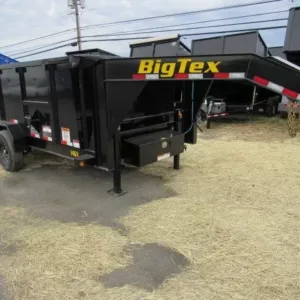
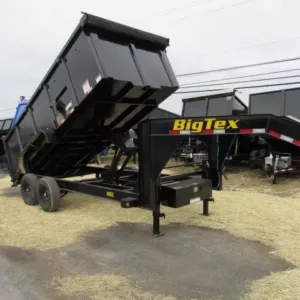
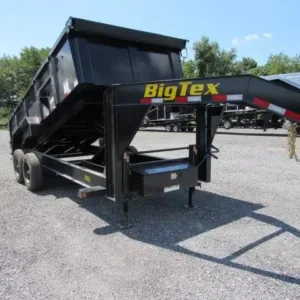
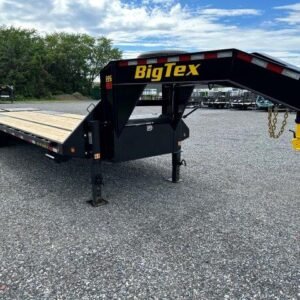
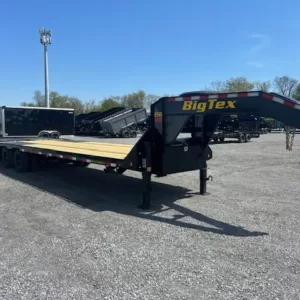
PrimeLoad stocks 33 gooseneck trailers covering equipment hauling, livestock, flatbed, and dump configurations. Big Tex (Texas) leads on equipment goosenecks with their proven 22GN line. BWise (Pennsylvania) covers heavy-duty hydraulic dump goosenecks. CAM Superline (Pennsylvania) builds commercial-grade equipment haulers, and Car Mate (Pennsylvania) rounds out the enclosed-gooseneck side. Free nationwide delivery on every gooseneck.
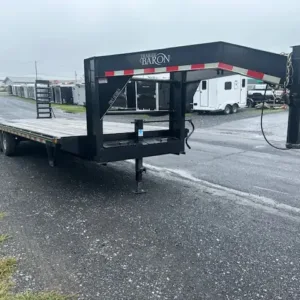
PrimeLoad Trailers stocks 30+ gooseneck trailers from Big Tex, BWise, CAM Superline, and Car Mate. Gooseneck trailers carry heavier loads with better stability than bumper-pull trailers because the hitch sits over the truck rear axle, distributing weight across the truck frame instead of pulling on the bumper. Free nationwide delivery to all 50 US states.
A gooseneck trailer connects to a hitch ball mounted in the bed of a pickup truck (between the wheel wells, over the rear axle). This positions the trailer tongue weight over the truck frame instead of cantilevered off the rear bumper, which is why goosenecks tow heavier loads with better stability than bumper-pull trailers.
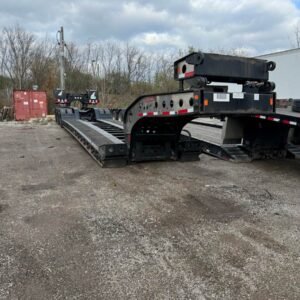
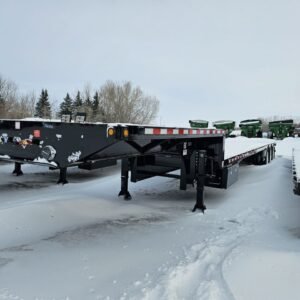
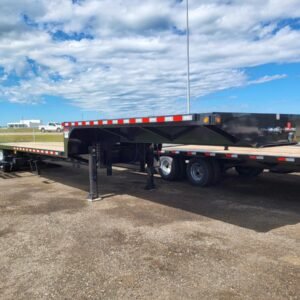
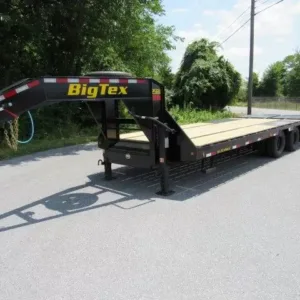
Gooseneck trailers come in three main configurations: equipment trailers (deckover or low-profile, for skid steers and tractors), dump trailers (gooseneck dumps for landscape and commercial waste), and deckover/flatbed trailers (for hay, lumber, vehicles, and oversize equipment). Each has different load patterns and the spec sheet reflects that.
You need a 3/4-ton or 1-ton pickup truck to tow most goosenecks. The minimum frame and bed strength to mount a gooseneck hitch typically rules out half-ton trucks. The hitch installation itself runs $400 to $1,200 for a B&W or Curt under-bed gooseneck hitch with safety chains and breakaway switch wiring.
Compared to bumper-pull equipment trailers, goosenecks turn tighter (the pivot point is forward of the rear axle), back up more predictably, and handle higher payloads. Trade-off: hitch installation cost, the bed-space the hitch ball occupies when not in use (most modern hitches drop into a flush mount), and the larger truck requirement.
For payloads under 10,000 pounds and occasional use, a bumper-pull is usually fine. For payloads above 12,000 pounds, daily commercial hauling, or any application where stability and turning matter, gooseneck is the right call.
Big Tex and BWise dominate our gooseneck inventory. CAM Superline and Car Mate round out specialty configurations.
Texas-based heavy-duty trailer manufacturer with 9+ gooseneck models in our inventory. Strong dealer support, wide model range from 7x16 dumps to 8.5x35 deckover equipment trailers, and a long reputation in commercial trailer markets.
Pennsylvania-based gooseneck specialist with 8+ models in our inventory. Strong frame construction and a reputation for daily-commercial-use durability. Common in the 7x16 dump to 8x28 equipment range.
Heavy-duty deckover equipment goosenecks (8x40 size class). Built for oversize equipment hauling and longer commercial routes.
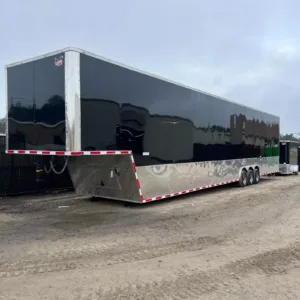
Specialty enclosed gooseneck cargo (vs the open equipment goosenecks above). Used by contractors hauling tools and equipment in a weather-protected enclosure with gooseneck stability.
Where goosenecks earn their cost and complexity premium.
Equipment goosenecks (8x20 to 8.5x28) hauling skid steers (6,500 to 12,000 lbs) and mini-excavators (5,000 to 18,000 lbs). Better stability than bumper-pull at these weights and easier to back into tight job sites.
Compact tractors (3,500 to 7,500 lbs), full-size farm tractors (7,500 to 18,000 lbs), and implements. Deckover configurations clear oversize equipment without ramp angle issues.
Daily-commercial-use trailers covering 100+ miles per day. Frame longevity matters more than upfront price. Big Tex and BWise are the workhorses in this segment.
Landscape contractors hauling fill, gravel, mulch, and demo waste. 7x14 to 7x16 gooseneck dump trailers handle 12,000 to 16,000 lb payloads with better stability at full load than bumper-pull dumps.
Long-deck goosenecks for transporting livestock and horses. Stability matters at highway speed when animals shift their weight.
Long deckover goosenecks (35 to 40 feet) for hauling round bales, lumber, and oversize materials.
Every gooseneck trailer on this page ships free to all 50 US states. We coordinate the haul direct to your address. No surcharges. No minimums. No fuel fees buried in the quote. The price you see in the quote is what you pay at delivery.
Delivery typically takes 5 to 14 business days from order confirmation depending on your state and the carrier route. Hawaii and Alaska are handled case by case; contact us for a custom quote.
Yes. You need a 3/4-ton or 1-ton pickup with a properly installed gooseneck hitch in the bed. Half-ton trucks generally do not have the frame strength for gooseneck hitch installation. The hitch installation runs $400 to $1,200 with safety chains and breakaway switch wiring.
Both connect to a hitch in the truck bed over the rear axle. Gooseneck uses a hitch ball; fifth-wheel uses a kingpin and saddle (similar to commercial semi-trucks). Goosenecks are simpler and lighter; fifth-wheels offer more articulation for tight turns. RV trailers use fifth-wheels; commercial cargo and equipment trailers use gooseneck.
Depends on the trailer GVWR and your truck tow rating. Common goosenecks run 14,000 to 25,000 lbs GVWR. A 1-ton dually pickup tows 20,000+ lbs gooseneck rated. Always match the trailer GVWR to your truck gooseneck tow rating in the owner manual.
Deckover trailers have the deck over the wheels (no fender wells in the cargo area, full deck width). They are higher off the ground and need ramps or a ramp truck to load. Low-profile (between-the-wheels deck) trailers sit lower, easier to load with shorter ramps, but sacrifice deck width to fender well intrusion. Choose deckover for oversize equipment, low-profile for skid steers and standard equipment.
Yes. Free delivery to all 50 US states from our PrimeLoad warehouse. Most goosenecks ship within 5 to 14 business days from order confirmation.
No. Gooseneck trailers require a bed-mounted gooseneck hitch ball (typically 2-5/16 inch or 3 inch depending on the trailer). The hitch installation requires drilling through the bed and bolting to the truck frame. Most installers also wire the breakaway switch to the truck electrical system.
Tell us your truck (year, make, model), what you haul, and your route. We spec the right gooseneck and send a free delivered quote within 24 hours.
Or call us at (360) 225-6789