An enclosed cargo trailer is one of the smartest investments a contractor, tradesman, or small business owner can make. It’s your mobile workshop, your secure storage unit, and your rolling billboard, all in one. But not all enclosed trailers are built the same. Here’s what to look for.
Why Go Enclosed?
Open trailers are great for bulk hauling, but if you’re transporting tools, equipment, merchandise, or vehicles that need protection, enclosed is the way to go. The benefits are clear:
- Weather protection: Rain, snow, and UV exposure won’t touch your cargo
- Security: Lockable doors keep tools and equipment safe overnight on job sites
- Branding opportunity: Wrap your trailer with your company name and logo, free advertising everywhere you drive
- Versatility: Shelving, cabinets, and electrical add-ons turn it into a full mobile workspace
Sizes: What Will Fit Your Needs?
- 5×8 to 6×10: Weekend haulers, hobbyists, small tool storage. Not ideal for business use.
- 7×14 to 7×16: The sweet spot for most contractors and small businesses. Fits a side-by-side, two motorcycles, or a full set of trade tools.
- 8.5×20 to 8.5×24: Serious commercial use, car hauling, large equipment, trade show displays, mobile businesses.
- 8.5×28 to 8.5×32: Race teams, large contractors, and businesses running full crews from a single trailer.
Construction: What Separates Quality from Junk
Frame Construction
Look for all-tube main frame construction (not channel iron). Tube frames are stronger, more rigid, and resist twisting under load far better than older channel-iron designs.
Wall and Roof Panels
Most enclosed trailers use .030 aluminum skin over a steel tube frame. Higher-end trailers step up to .040 aluminum, which is noticeably more dent-resistant. Screwless exterior panels look cleaner and eliminate the rust streaks that develop around traditional screws.
Flooring
3/4″ plywood over crossmembers is the standard. For heavier use, look for treated plywood or aluminum flooring options. Make sure the crossmember spacing is 16″ on center or tighter, wider spacing creates soft spots in the floor over time.
Door Options
- Rear ramp door: Must-have for loading wheeled equipment, motorcycles, ATVs, side-by-sides, small vehicles.
- Rear barn doors: Better for cargo-style loading, boxes, shelving, merchandise.
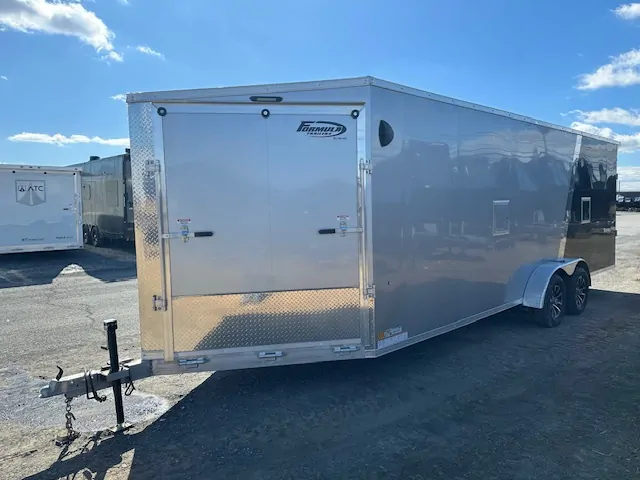
- Side door: Adds convenience for quick access without opening the full rear. Essential for mobile businesses.
Single Axle vs. Tandem Axle
Single axle trailers are lighter and cheaper but limited to around 3,500 lbs payload. If you’re loading anything substantial, go tandem. Tandem axle trailers are more stable at highway speeds, handle higher payloads, and give you a safety backup if a tire blows on the road.
What PrimeLoad Trailers Recommends
For most business owners, we recommend a 7×16 or 8.5×20 tandem axle enclosed trailer with a ramp rear door, side entry door, and LED lighting throughout. This configuration handles 90% of commercial applications and gives you room to grow.
Browse our full selection of enclosed cargo trailers or call our team at (360) 560-0285. We ship anywhere in the United States with free shipping on all orders.
Related Guides and Inventory
Ready to buy? Get a free quote within 24 hours, or call us at (360) 560-0285.