11 categories. 580+ trailers in stock. 15 years of experience.

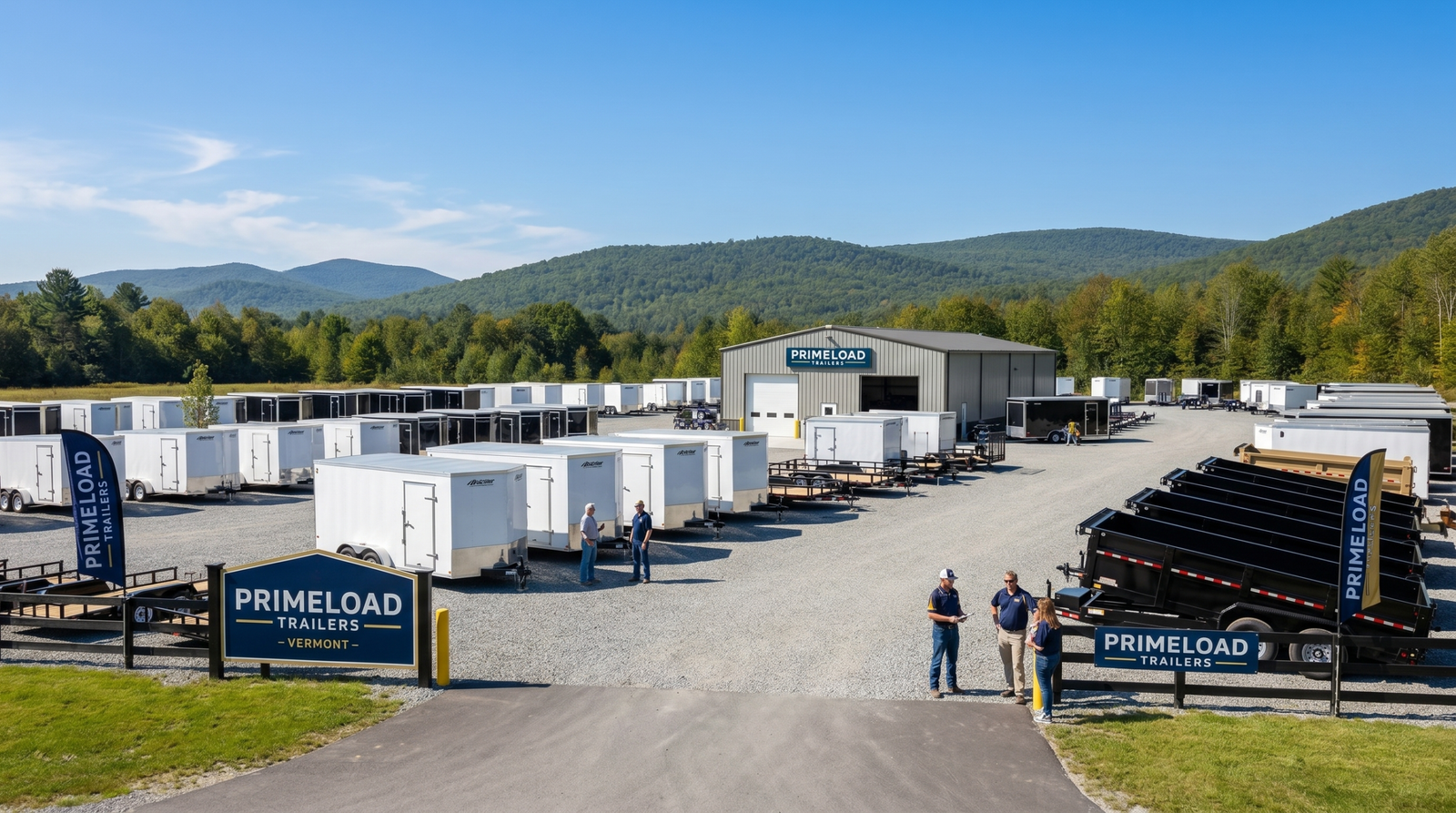
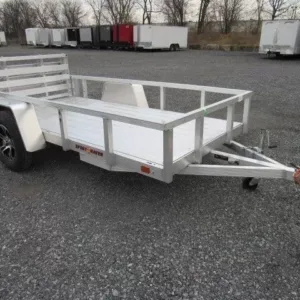
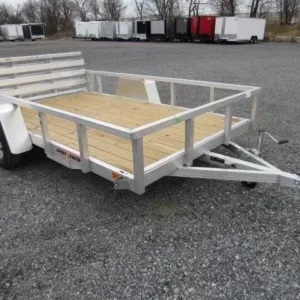
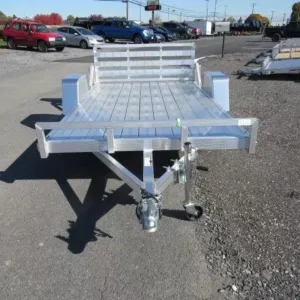
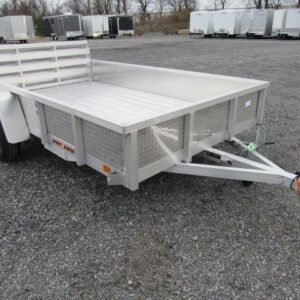
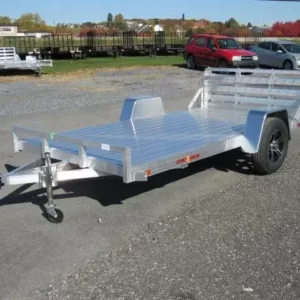
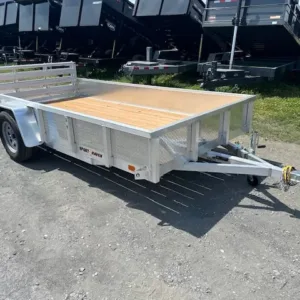
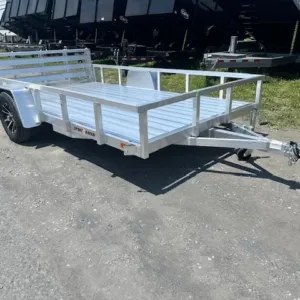
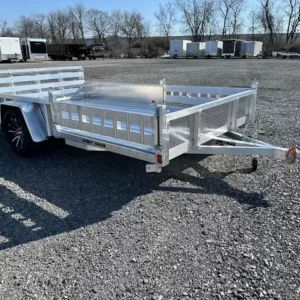
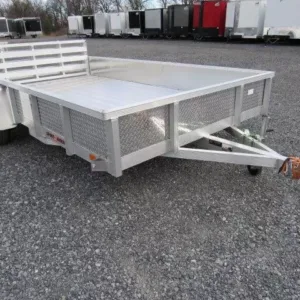
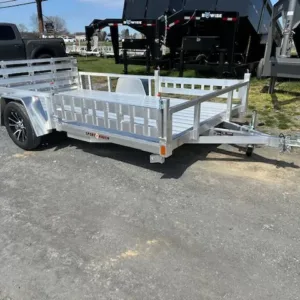
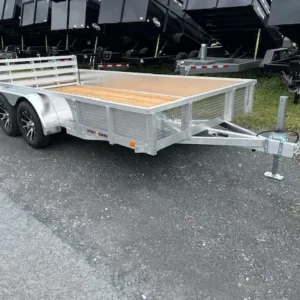
PrimeLoad Trailers stocks 50+ aluminum trailers from Sport Haven, Cargo Pro, and Carry-On. Aluminum runs 30 to 40 percent lighter than steel for the same load capacity, which means lower fuel costs over the life of the trailer, less stress on your tow vehicle, and no rust. Free nationwide delivery to all 50 US states from our Underhill, Vermont yard.
Aluminum trailers earn their place in three scenarios: when you tow long distances frequently, when you store the trailer outside in a climate that rusts steel, and when you haul lighter loads (under 5,000 pounds) where steel weight advantage on cost is offset by fuel savings over time.
A 6x10 aluminum utility trailer weighs about 700 pounds empty. The equivalent steel utility trailer weighs 1,100 to 1,300 pounds. On a 200-mile round trip with a load, the aluminum trailer saves you 5 to 10 percent on fuel. Over 5 to 10 years of regular use, that fuel savings adds up to real money. Aluminum trailers also extend your tow vehicle payload margin (the difference between GVWR and curb weight), which matters if you tow at the edge of your truck rating.
Where steel still wins: heavy-duty applications above 7,000 pounds GVWR, deck-over equipment trailers, and dump trailers where the structural demands favor steel strength-to-cost ratio. Aluminum dump trailers and aluminum gooseneck equipment trailers exist, but they cost 40 to 80 percent more than the steel equivalent for marginal benefit in those use cases.
Aluminum does NOT eliminate maintenance. Aluminum corrodes (oxidizes) when exposed to road salt, especially in winter states. Routine washing after winter trips, dielectric grease on electrical connections, and inspection of the steel hardware (axles, bolts, fenders, jacks) is still essential. The aluminum frame will not rust, but galvanized steel components on the trailer can.
For ATV, UTV, snowmobile, motorcycle, and small-boat hauling, aluminum is almost always the right call. For lawn-care contractors, landscape trailers, and homeowner utility hauling under 5,000 pounds, aluminum makes sense if budget allows. Above that, weigh aluminum vs steel based on your specific use case.
Sport Haven dominates our aluminum inventory with 40+ models. Cargo Pro and Carry-On round out the lineup with specialty configurations.
Specialty aluminum manufacturer based in Indiana. Strong reputation for utility trailers, ATV/UTV haulers, and small-boat trailers. Most popular in the 5x8 to 7x14 utility range. Solid axle and tongue weldments, all-aluminum construction.
Aluminum specialty trailers including ATV haulers and enclosed aluminum cargo. Common in the 8x9 to 7x14 range with aluminum ramp doors and finished interiors.
Wide range of aluminum landscape and utility trailers. Strong dealer network, good parts availability, and competitive pricing on aluminum utility configurations.
Where aluminum trailers earn their price premium.
Aluminum ATV trailers (8x9 to 7x14) with bi-fold or rear-gate ramps. Lightweight enough that a half-ton SUV or pickup tows two ATVs easily. Aluminum tie-down points resist corrosion from outdoor storage.
Aluminum snowmobile trailers (1 to 3 sled capacity). Salt resistance is critical for winter towing. Aluminum frame and floor handle road salt without rust over multiple seasons.
Saltwater boat owners use aluminum trailers because steel trailers rust within 1 to 2 seasons in coastal use. Aluminum bunks, axles, and frames extend trailer life from 2 years to 10+ years in salt environments.
Aluminum landscape trailers (6x10 to 7x16) with aluminum ATP sides and rear gates. Lighter weight extends tow vehicle service life and reduces fuel costs on daily routes.
Buyers who tow 500+ miles per trip benefit most from aluminum weight savings. The fuel cost difference vs steel pays back the upfront premium within 3 to 5 years of regular use.
Every aluminum trailer on this page ships free to all 50 US states. We coordinate the haul from our Underhill, Vermont yard direct to your address. No surcharges. No minimums. No fuel fees buried in the quote. The price you see in the quote is what you pay at delivery.
Delivery typically takes 5 to 14 business days from order confirmation depending on your state and the carrier route. Hawaii and Alaska are handled case by case; contact us for a custom quote.
For pickup at our Vermont yard, see the Vermont Trailer Dealer page for directions and hours.
For salt-environment use (coastal areas, winter states with road salt), yes. For long-distance frequent towing, yes (fuel savings pay back the premium in 3 to 5 years). For occasional homeowner utility use under 5,000 pounds GVWR, the answer depends on storage conditions and your budget. Steel is fine for indoor-stored, occasional-use trailers.
Aluminum oxidizes (forms a protective surface layer) but does not rust through like steel. With routine washing and proper storage, aluminum trailers last 15 to 25 years. Steel components on the trailer (axles, bolts, jacks) can still rust and require maintenance.
About 30 to 40 percent lighter for equivalent load capacity. A 6x10 aluminum utility weighs roughly 700 pounds empty vs 1,100 to 1,300 pounds for steel. The weight savings translate to lower fuel costs and more available payload on your tow vehicle.
Yes, when matched by GVWR. A 7,000 lb GVWR aluminum trailer carries the same payload as a 7,000 lb GVWR steel trailer. The difference is the trailer weighs less empty, so the trailer total contribution to your tow vehicle rating is lower.
Yes. Free delivery to all 50 US states from our Vermont yard. Most aluminum trailers ship within 5 to 14 business days from order confirmation.
Wash routinely (especially after salt exposure or winter trips), inspect electrical connections for corrosion, grease wheel bearings annually, and inspect the steel hardware (axles, hangers, bolts) for rust. Keep the floor sealed if it is wood-decked.
Tell us what you haul, your tow vehicle, and your storage situation. We help you weigh aluminum vs steel honestly based on your actual use case.
Or call us at (802) 203-7891