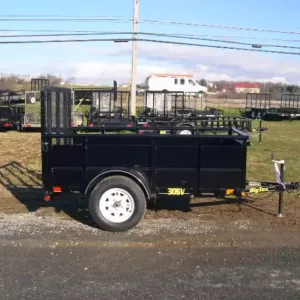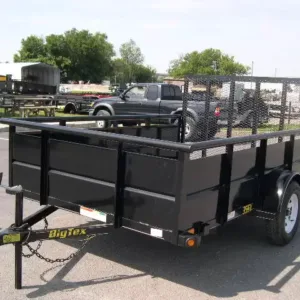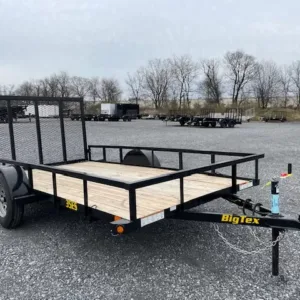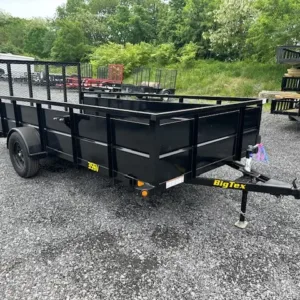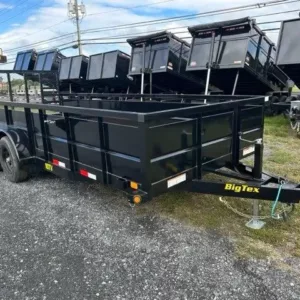
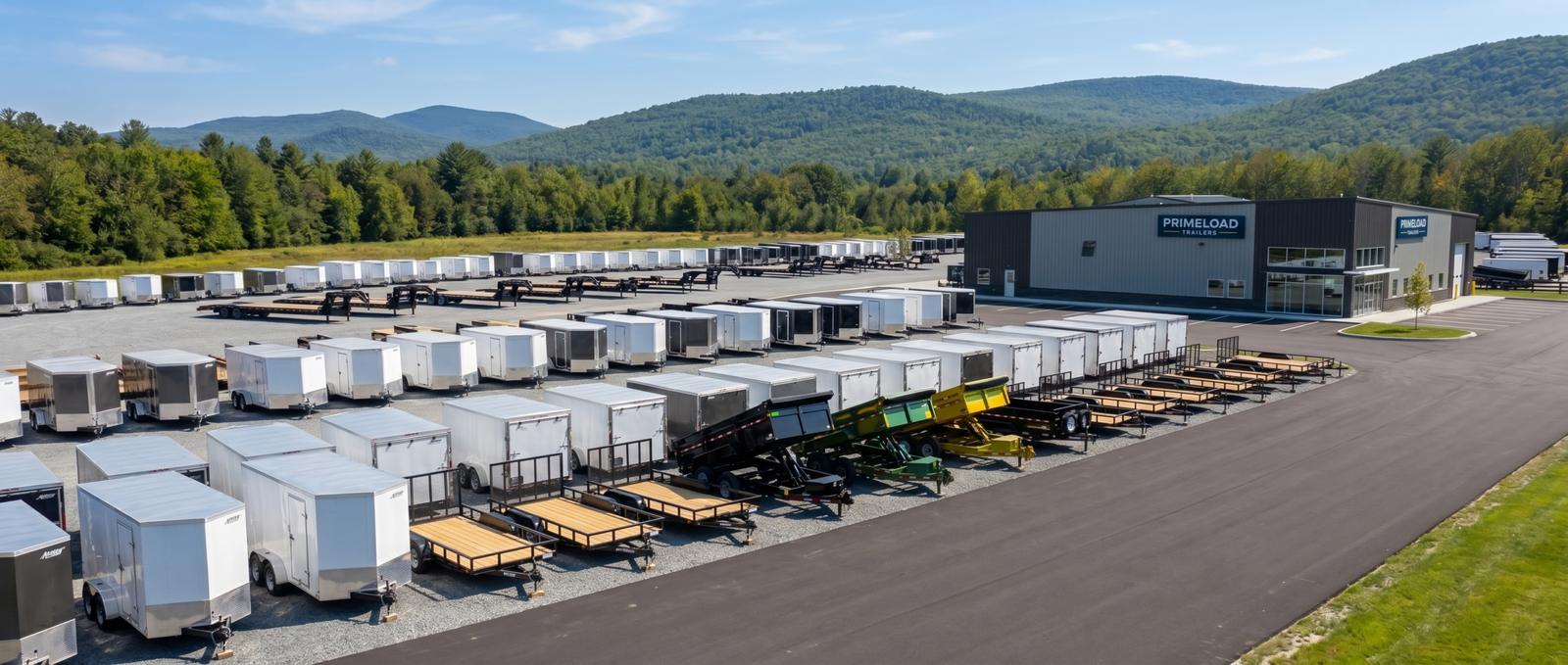

11 trailer categories. 580+ in stock. Vermont dealer with 15 years of experience and free nationwide delivery to all 50 states.
Open-deck utility trailers for landscaping, hauling, weekend projects. 107 in active inventory. Free shipping included to all 50 US states.
Utility trailers do the everyday work that bigger, fancier trailers don't. They haul mowers, ATVs, motorcycles, dirt bikes, lumber, gravel, brush, the occasional couch a buddy is moving across town. Open deck, simple frame, painted or galvanized steel, single or tandem axle, ramp gate or no gate. The right utility trailer is the one that matches the work you do.
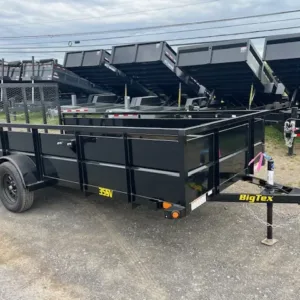
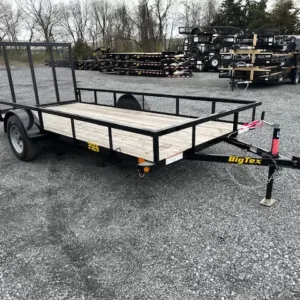
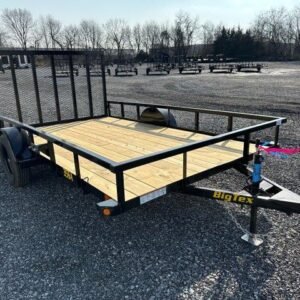
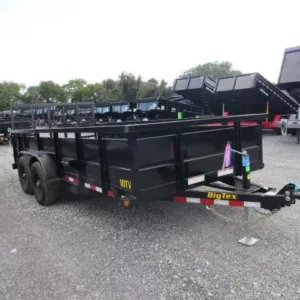
PrimeLoad carries 107 utility trailers in active inventory across sizes from 5×8 single-axle daily-haulers up through 7×16 tandem-axle landscaper rigs. Our manufacturer relationships go back over a decade. Premier (Vermont), BWise (Pennsylvania), Big Tex (Texas, distributed nationwide), Carry On, brands we've worked with long enough to know which builds hold up under Northeast salt and which cut corners we won't.
Every utility trailer ships free to all 50 US states. The price you see at the listing is the price you pay; shipping is built in. Northeast deliveries usually arrive in 3 to 7 days. Midwest 5 to 10. West Coast 7 to 14. Read the full Shipping Policy →
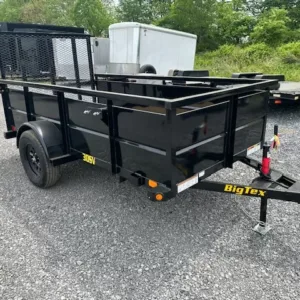
The size of a utility trailer is usually written deck-width × deck-length. A 5×8 fits a single push mower or a few sheets of plywood. A 6×10 swallows a riding mower with room for tools alongside. A 6×12 takes a small ATV plus equipment. A 7×14 hauls landscaping crews their full daily load, mower, blower, line trimmer, fuel cans, debris bags. A 7×16 starts to handle small skid steers and bigger ATVs. Beyond that you're moving into equipment-trailer territory.
Single-axle trailers are lighter, cheaper, and easier to hand-pivot in tight driveways. They suit loads up to about 3,500 lbs GVWR. Tandem-axle trailers carry more weight (5,000-7,000 lbs GVWR typical), tow more stably at highway speed, and degrade more gracefully if a tire blows. If your hauling needs are mixed or growing, the tandem is usually the better long-term buy.
Open deck is simplest and lightest, use it when your loads are big enough that they don't roll or blow off. Mesh sides keep yard debris, mulch bags, and small loose items contained without trapping water. Solid sides (steel or aluminum) protect cargo from view and weather, but add weight and can complicate side-loading.
Wood (typically 2x pressure-treated pine) is grippy, replaceable plank by plank, easy to drill or screw down tie-down points. Steel decks are stronger and need less maintenance, but loads can slide around without anti-skid coating, and steel can rust at deck-frame interfaces if drainage is poor.
A spring-assist gate ramp is the most common and works for most loads. Fold-down ramps simplify loading lawn equipment. Bi-fold or split-gate ramps shorten storage when not in use. For mowers and ATVs, prioritize a ramp angle under about 18 degrees to avoid scraping deck-mounted equipment.
For homeowners and weekend haulers, 6×10 single-axle is the most common choice, it fits a riding mower with tools and stays under most state's no-CDL towing thresholds. For landscaping crews, 6×12 or 7×14 tandem-axle is the workhorse size.
For non-commercial use in most US states, no. Federal CDL rules apply when the combined GVWR (vehicle + trailer) exceeds 26,000 lbs for commercial use. Most utility trailers are under 7,000 lbs GVWR, well below the threshold. Always check your specific state's licensing rules.
The terms are often used interchangeably. "Landscape trailer" usually implies mesh-side construction with a ramp gate, optimized for hauling lawn-care equipment plus debris. "Utility trailer" is the broader term, includes landscape configurations plus open-deck and solid-side variants.
Most full-size SUVs (Tahoe, Suburban, Expedition, etc.) and many mid-size SUVs (4Runner, Pilot, Grand Cherokee) can tow utility trailers in the 5×10 to 7×12 range loaded. Confirm your vehicle's tow capacity in the owner's manual and account for tongue weight, hitch class, and brake controller requirements.
Carrying capacity equals GVWR minus the trailer's empty weight. A 7×14 tandem trailer with 7,000 lbs GVWR and a 1,800 lb empty weight carries about 5,200 lbs of cargo. Always operate within the manufacturer's GVWR, overloading damages tires, axles, and frame.
The trailers we carry from Premier, BWise, Big Tex, and Carry On ship DOT-compliant for federal interstate use, lighting, reflectors, brake controllers (where required by GVWR), and VIN plates. State registration and titling requirements are your responsibility after purchase.
Premier (built in Vermont), BWise (Pennsylvania), Big Tex (Texas, distributed nationwide), and Carry On make up our core utility-trailer lineup. All four have parts and warranty support that doesn't dry up after the sale.
Every manufacturer below has been vetted on Vermont and Northeast roads.
Free shipping to all 50 states.
Or call us at (802) 203-7891