If you run a landscaping business, your trailer is as important as your mower. The wrong trailer costs you time, money, and jobs. The right one becomes the backbone of your entire operation. At PrimeLoad Trailers, we’ve helped contractors across the country find the perfect fit, and this guide gives you everything you need to make a smart decision.
What Is a Landscape Trailer?
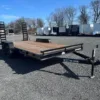
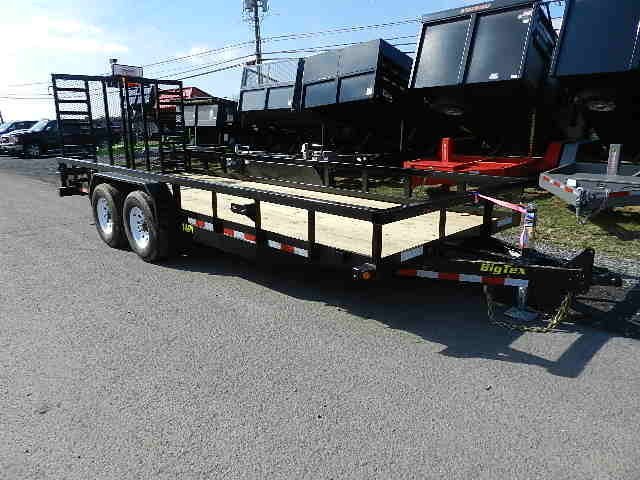
A landscape trailer is an open, low-profile trailer specifically designed to haul lawn care and landscaping equipment, mowers, blowers, edgers, rakes, and more. They typically feature a ramp gate for easy loading, side rails for tool storage, and reinforced flooring to handle heavy daily use.
What Size Landscape Trailer Do You Need?
Size depends entirely on your equipment load and crew size. Here’s a quick breakdown:
- 5×10 to 6×12: Solo operators running a single zero-turn or walk-behind mower.
- 7×14 to 7×16: Small crews with two mowers plus hand tools. The most popular size for growing operations.
- 8×18 to 8×20: Full crews with multiple ride-ons, heavy blowers, and bulk material capability.
Our best-selling landscape trailers at PrimeLoad Trailers fall in the 7×14 to 7×16 range, the sweet spot for professional crews who want versatility without oversized towing requirements.
Steel vs. Aluminum: Which Material Is Right for You?
This is one of the most common questions we get. Here’s the honest answer:
- Steel trailers are more affordable upfront, handle heavy abuse well, and are easy to weld and repair locally. They do require more maintenance to prevent rust, especially in northern snowbelt states where road salt is heavy.
- Aluminum trailers cost more upfront but weigh significantly less, resist corrosion completely, and hold their resale value far better over time. For businesses running their trailers hard year-round, aluminum typically pays for itself within 3-5 years.
Key Features to Look for in a Landscape Trailer
- Ramp gate: Bi-fold or single-fold? Bi-fold gates are easier to operate solo.
- Side rails and tube tops: Essential for carrying racks, blowers, and hand tools securely.
- Dovetail: A slight downward angle at the rear makes loading low-clearance equipment easier.
- Axle rating: Match your GVWR to your loaded weight. Always build in a buffer, never load to 100% of capacity.
- Treated wood decking vs. expanded metal: Wood is easier on equipment and cheaper to replace. Expanded metal offers better drainage and airflow.
Weight Capacity: Don’t Get This Wrong
Overloading a trailer is dangerous and illegal. Calculate your total equipment weight, add fuel and tools, then choose a trailer with a payload rating at least 20% above that number. A trailer rated for 7,000 lbs GVWR comfortably handles most two-mower setups with room to grow.
Towing Requirements
Before you buy, confirm your truck can handle the load. Most 3/4-ton pickups handle landscape trailers easily. Half-ton trucks can manage lighter setups but may struggle with heavier 16-foot configurations. Always check your truck’s tongue weight capacity, not just its tow rating.
Why Buy from PrimeLoad Trailers?
We built this company because we saw contractors overpaying for trailers that didn’t hold up. Our landscape trailer inventory is hand-selected for professional-grade durability, and every unit comes with transparent pricing, no dealer markups or surprise fees. We ship nationwide from our Woodland, WA location.
Ready to find your trailer? Browse our full landscape trailer inventory or call us at (360) 560-0285. Our team knows trailers, and we’ll match you to the right one.
Related Guides and Inventory
Ready to buy? Get a free quote within 24 hours, or call us at (360) 560-0285.